The back story
Palms, layer cakes and a silk dress: Copenhagen’s cafés, the back story
A cake shop from 1870, a brewer’s winter palms, a roaster founded in 2007, and what hygge means.
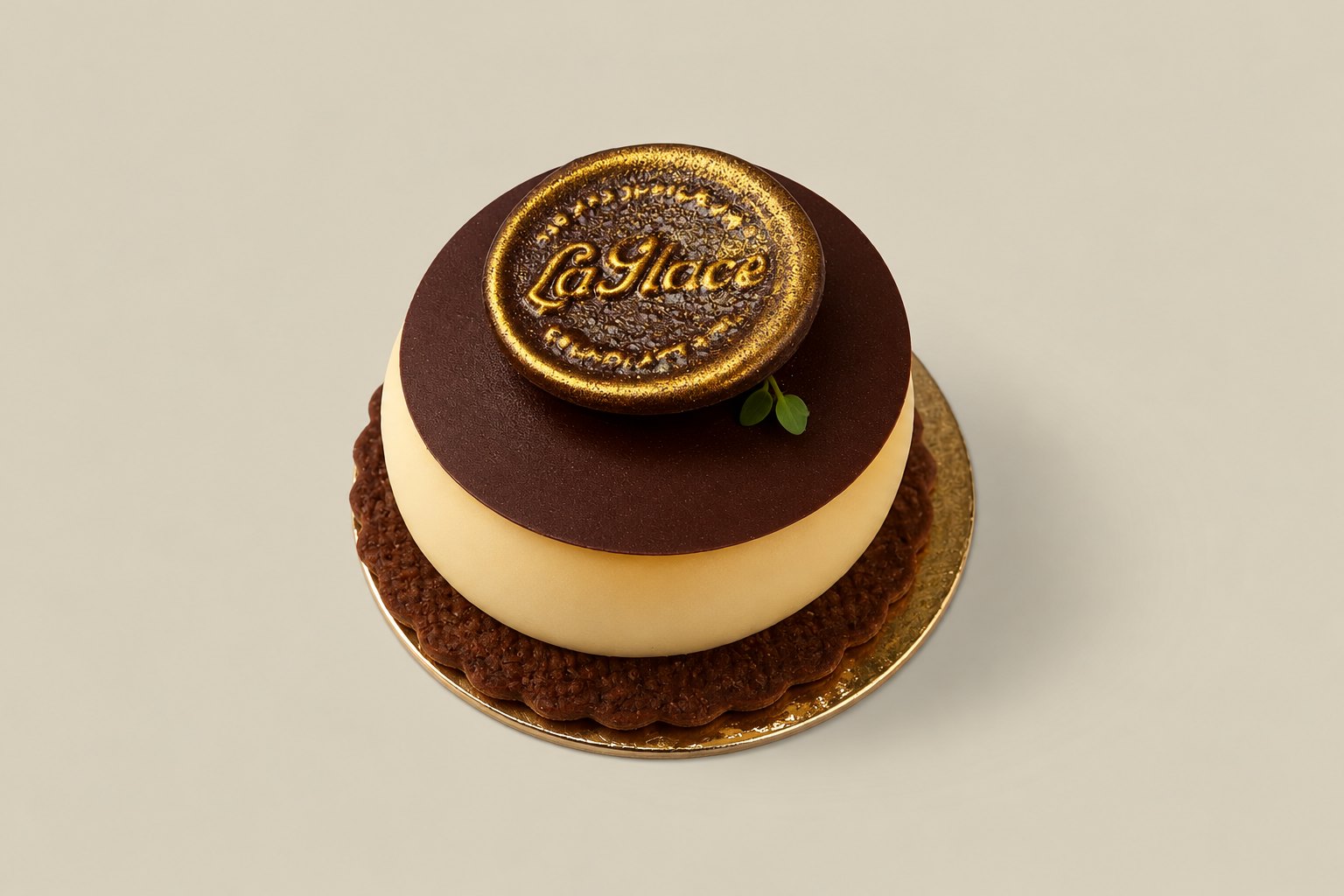
Photo Credit
Image courtesy of © Conditori La GlaceWhy does Copenhagen take its coffee so seriously? Because for half the year the café is the warmest argument for leaving home. Here is the back story, from a confectioner’s cellar of 1870 and a brewer’s palm house of 1906 to the roasters who buy straight from farmers, with the rituals that tie them together and where to practise them, checked against official sources in November 2026.
What the weather asks
Copenhagen’s cafés exist to answer a question the weather asks from October to March: where can you sit, warm and lit, for as long as you like? The Danish answer has a name. VisitCopenhagen calls hygge a feeling of comfort, togetherness and enjoyment of the simple pleasures of everyday life, usually inadequately translated as “cosiness”, and says cafés are the easiest place to find it.
The word is older than the habit. VisitCopenhagen traces it to the Old Norse hyggja, to think, believe or be content with, and notes that Danes are mad about candles and use them everywhere, cafés included. Its opposite, uhyggelig, runs from cheerless through sinister to downright grisly, which tells you how seriously a Dane takes a badly lit room.
A cellar in Skoubogade
Conditori La Glace began on 8 October 1870 as Henningsen’s Kælder, a confectionery in the cellar of Skoubogade 3, opened by Nicolaus Henningsen, a pastry chef from Schleswig. In 1896 it came up to street level with a tea room, took the name La Glace and got its first telephone line. The founder’s widow, the house history records, always wore a silk dress in the shop: a standard for front of house that few cafés have met since.
The present shop opened in 1924, and some of its tables, chairs, mirrors and cabinets are still in use; so are the cream whipper and ice-cream maker bought in 1923. Its one recorded failure is endearing: in 1972 an attempt to make mashed potatoes for SAS did not succeed. In 2025 the sisters Maria and Laura took over, the sixth generation in 155 years. Order the Sportskage, the house classic, and keep the Karen Blixen cake for a second visit.
The brewer’s palms
Carl Jacobsen, the brewer who founded the Ny Carlsberg Glyptotek, added its Winter Garden in 1906, nine years after the building was inaugurated. “I hope that in the winter the greenery can draw people in,” he said at its opening on 27 June 1906. The dome was planned in stone and built in iron and glass, and the Canarian date palms came from his mother’s winter garden in Valby.
The Winter Garden Café at the Glyptotek, which the museum calls Picnic, serves lunch, desserts and coffee beside those palms, under glass the museum describes as honey-coloured. It is about as close to the Mediterranean as Copenhagen gets in February. Jacobsen also gave the city the Little Mermaid, in 1913; he clearly understood that a city needs reasons to go outside, and better ones to come back in.
Its opposite, uhyggelig, runs from cheerless to downright grisly, which tells you how seriously a Dane takes a badly lit room.
Coffee with a conscience
The newer ritual is specialty coffee, and The Coffee Collective is its local standard-bearer. Peter Dupont, Casper Engel Rasmussen and Klaus Thomsen, a former World Barista Champion, founded it in 2007; it trades directly with farmers, says it pays prices far above market level, and roasts daily at Godthåbsvej for its own coffee shops, from Jægersborggade to Torvehallerne and Carlsberg Byen.
Torvehallerne, two glass market halls by Nørreport, calls itself the whole city’s pantry. The stalls open at 10:00, but coffee and bakery goods are served from 7:00, which makes the halls the city’s best early argument for leaving the hotel. Tivoli Food Hall, opened in November 2017 with the expanded Nimb, gives Tivoli a year-round room on Bernstorffsgade, and ILLUM Rooftop keeps a view of Christiansborg above Amagertorv.

Photo Credit
Image courtesy of © kallerna · CC BY-SA 4.0 via Wikimedia CommonsReffen sits on Refshaleøen, where the Burmeister & Wain shipyard once employed 8,000 workers at its peak. Its permanent stalls are old shipping containers that could no longer be used at sea, more than 75 of them. It is closed for the winter and returns in March 2027 for its tenth anniversary: even Copenhagen’s street food knows when to come indoors.
Our advice: take coffee at Torvehallerne before 10:00, when only the coffee and bakery stalls are awake; go to La Glace at an unfashionable hour and let the counter decide; and keep the Glyptotek for a grey afternoon, when Jacobsen’s palms do exactly what he asked of them.
Why it's on our list
- What the weather asks
- A cellar in Skoubogade
- The brewer’s palms
- Coffee with a conscience
Location
The map comes from Google Maps, which sets its own cookies once it loads.
More in depth
 The back storyA distillery in the drawing room: Copenhagen’s bars, the back storySpirits founded in Ruby’s rooms, a grain warehouse of 1787, a theatre curtain and a whisky attic.
 The back storyFrom d’Angleterre to Nimb in Tivoli: the grand hotels of CopenhagenFrom d’Angleterre to Nimb and the new design hotels: where to stay.
 The back storyCopenhagen, the royal harbour city: Tivoli, Rosenborg and AmalienborgTivoli, Rosenborg, Amalienborg and the Little Mermaid.