Objects of Desire
Munch’s sky, a gold-leaf ceiling and a hall for 1,800
Nouvel and Toyota’s four halls, the Opera’s 105,000 sheets of gold leaf and the jazz in between.
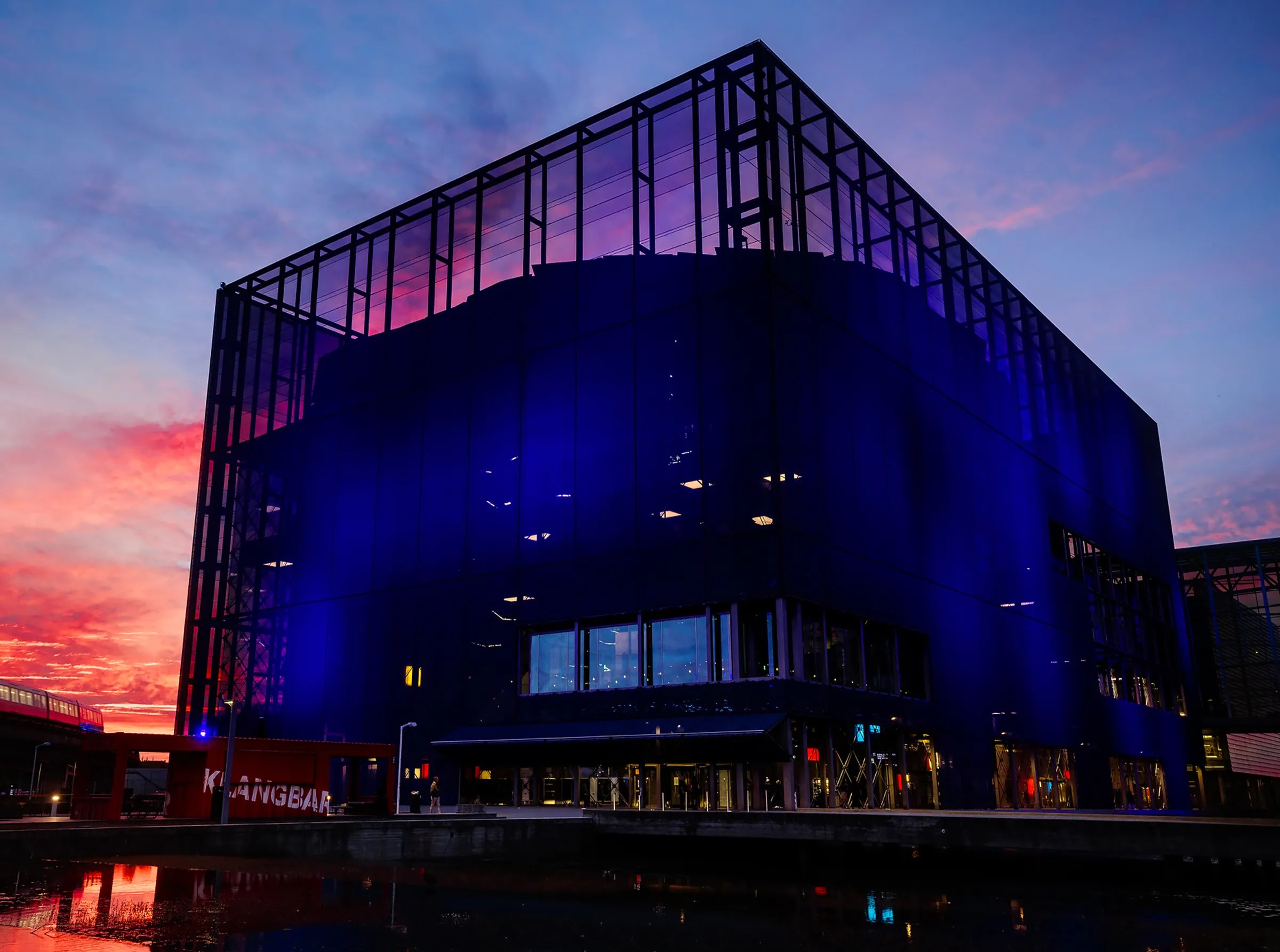
Photo Credit
Image courtesy of © DR KoncerthusetCan a building be an instrument? Copenhagen built two to find out: Jean Nouvel’s DR Koncerthuset, tuned with the acoustician Yasuhisa Toyota, and Henning Larsen’s Opera House on Holmen, its ceiling covered in gold leaf. Here is how they work, what to know before you go and where the city listens when the orchestra is off duty, checked against the venues’ own pages in November 2026.
A hall drawn from The Scream
What should a great concert hall sound like before anyone plays? At DR Koncerthuset, very nearly nothing, which is the point. Jean Nouvel designed the building with the Japanese acoustician Yasuhisa Toyota, and its four concert halls each have variable acoustics, so the reverberation can be tuned to the ensemble or the genre of the night.
Koncertsalen, the largest, seats 1,800 in red and pink seats on terraces around the stage, an amphitheatre that takes its cue from the Berlin Philharmonic, with warm golden colours borrowed from the old Radiohuset concert hall in Frederiksberg.
The undulating walls are inspired by the sky in Edvard Munch’s The Scream, which is not the usual brief for a room you hope to relax in. DR says the hall’s area is close to four football pitches, yet it feels intimate; the orchestra can play very softly and still be heard throughout.
Thousands of hand-cut openings in the walls reflect the sound, while hand-drilled holes absorb it. The canopy above the stage weighs 60 tons and hangs on the kind of steel wire normally used for cable cars, and the Van den Heuvel organ has 92 registers. The DR Symphony Orchestra and DR Big Band play here; the DR Byen Metro station is on the M1.
Gold leaf on Holmen
Across the harbour on Holmen, the Royal Danish Opera House was given to the Danish people by the A.P. Møller and Chastine McKinney Møller Foundation and designed by Henning Larsen: 41,000 square metres over fourteen storeys, five of them underground, clad outside in Jura Gelb limestone from southern Germany and inside the foyer in Sicilian Perlatino marble.
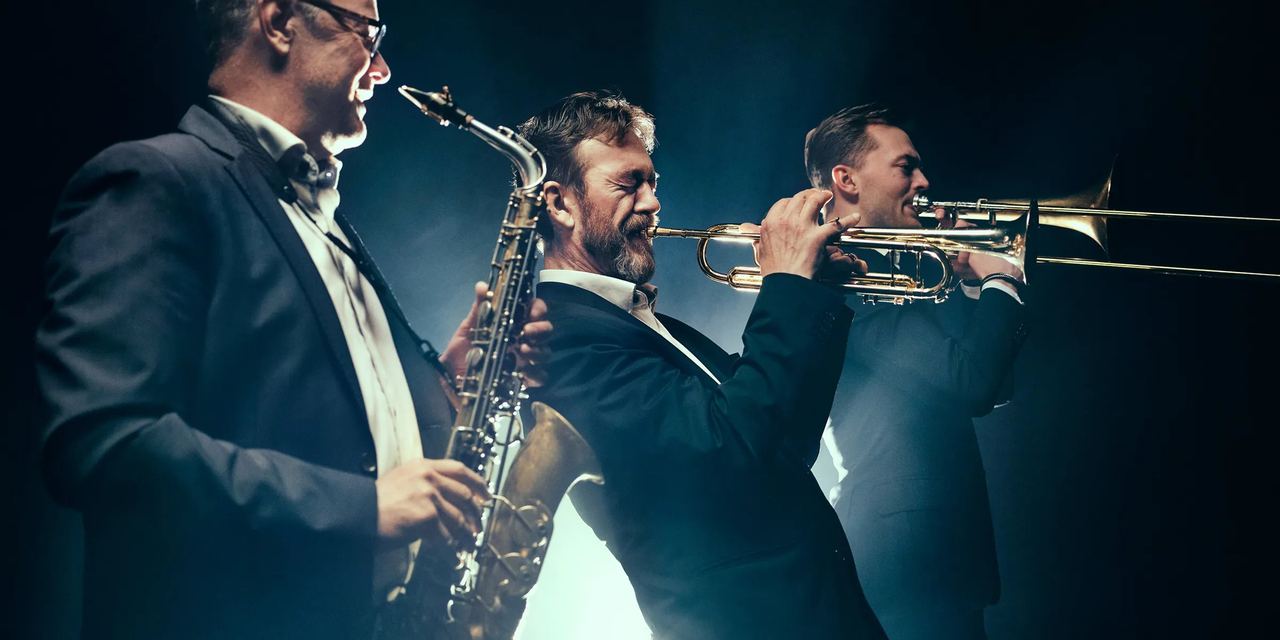
Photo Credit
Image courtesy of © DR KoncerthusetThe main stage seats 1,400 beneath a ceiling of 105,000 sheets of 24-carat gold leaf, about 1.5 kilograms of gold. The auditorium wall facing the foyer is maple, and Olafur Eliasson made the three light sculptures that hang in the foyer. The Royal Danish Theatre sets no dress code, but coats and larger bags must go to the cloakroom: outerwear is not allowed in the auditorium.
The undulating walls are inspired by the sky in Edvard Munch’s The Scream, which is not the usual brief for a room you hope to relax in.
Look up as you leave and you will see Per Kirkeby’s four bronze reliefs among the foyer’s art. Tickets come from the Royal Danish Theatre, which also runs the Old Stage, where George Balanchine’s The Nutcracker plays from 20 November to 22 December 2026, recommended from the age of six.

Photo Credit
Image courtesy of © Julian Herzog (Website) · CC BY 4.0 via Wikimedia CommonsOpposite the Opera, across the water, the Royal Danish Playhouse answers with three stages seating 1,000 in all and an oak-boarded walkway that joins the Langelinie promenade: the city’s two national stages face each other across the harbour like a couple who have agreed to disagree.
The smaller rooms
Not every good sound needs gold. Kulturhuset Islands Brygge, on the waterfront, hosts around 350 events a year, from concerts and drama to dance, comedy and communal dinners, with a café on the water. The Copenhagen Jazz Festival fills venues, squares and parks every July, and its winter sibling, Vinterjazz, brings live music back each February; the programme is on jazz.dk.
The question this city answers is a simple one: can a concert hall be the instrument? In Copenhagen the walls reflect, absorb and, at the Opera, glitter, and the orchestra is only half of the evening. The other half is the building, which never plays a wrong note because it never plays at all; it simply decides how everything else will sound.
Our advice: book a DR Symphony Orchestra concert in Koncertsalen and arrive early enough to walk the terraces; see the Opera’s gold by night from the Nyhavn side of the harbour; and keep February free for Vinterjazz. If you have only one evening, choose the hall over the programme: in Copenhagen the room is the headline act, and almost any music sounds like an argument for it.
Why it's on our list
- A hall drawn from The Scream
- Gold leaf on Holmen
- The smaller rooms
Location
The map comes from Google Maps, which sets its own cookies once it loads.
More in depth
 Objects of DesireA star castle, three cinemas and a studio from 1906Europe’s oldest working observatory building, cinemas named for Dreyer and Asta Nielsen, and Valby.
 Objects of DesireFour dragons, a ski slope and a museum for 2027: how Copenhagen buildsBørsen rebuilt exactly, a ski slope on a power plant, Nordhavn and a museum opening in March 2027.
 Objects of DesireThe Old Fashioned by the book, and the attic to drink it inThe IBA Old Fashioned, Lidkoeb’s whisky attic, Ruby’s old spirit rooms and a curtain called TATA.